 EN
EN

The Honest Truth: 5 to 10 Years, But It Depends
So you're wondering how long that fancy water bottle insulated with the double-wall vacuum tech is actually going to stick around. Fair question. The straightforward answer? Most decent ones give you a solid 5 to 10 years of regular use. But here's the thing—that's kind of like saying a truck lasts 200,000 miles. It totally depends on how you treat it and what it's made of. We've been cranking out stainless steel bottles at our shop for years, and we've seen everything. Some cheapo models start losing their mojo after just two or three years. But the good stuff? The ones built with proper 304 or 316 grade steel? We've seen those bad boys keep going strong for a decade or more. One customer sent us a picture of his bottle that survived three camping seasons, two cross-country road trips, and a drop off a loading dock—still keeping his coffee hot. That's not luck. That's metallurgy.
What's Actually Going on Inside That Wall
Okay, let's get a little nerdy for a second. The whole magic of a water bottle insulated with vacuum insulation comes down to one thing—that empty space between the inner and outer walls. It's not actually empty, though. It's a vacuum, which means there's basically no air molecules in there to transfer heat. Think of it like a thermos-sized science experiment. The better that vacuum seal holds, the longer your drink stays hot or cold. At our factory, we use industrial vacuum furnaces that heat the inner shell to over 500°C while sucking the air out to crazy low pressures. We're talking below 10⁻³ millibars. That's serious hardware. And if we slap a copper coating on the inside wall? Even better—that reflects radiant heat back where it belongs. Skip this process, and you've basically got a shiny metal cup that looks nice but won't keep your tea warm through lunch.
Three Things That'll Kill Your Bottle Fast
Nobody talks about this enough, but there are three silent assassins that'll shorten your water bottle insulated lifespan faster than you'd think. First up—drops. And not just the dramatic ones. Even a little tumble onto concrete can create micro-cracks in the outer shell that you can't even see. Those cracks let air sneak back into the vacuum layer, and once that happens, your insulation is toast. Second—harsh cleaners. That bleach-based stuff or citrus degreaser might make your bottle sparkle, but it eats away at the inner food-grade coating. Eventually, you'll start tasting metal or noticing weird stains that won't scrub out. Third—and this one gets people all the time—the lid gasket. That little silicone ring is basically your bottle's first line of defense. When it gets old, cracked, or warped from boiling water, your bottle might still look fine, but your heat retention drops like a rock. We're talking up to 40% loss. Swap that gasket every year and a half, and you'll add years to your bottle's life.
Numbers Don't Lie: How Performance Changes Over Time
We've run tests in our lab that simulate five years of daily use, and the results are pretty eye-opening. A quality water bottle insulated with a half-liter capacity starts out keeping water at 72°C after 12 hours. After five years of normal use—fill it up, empty it, repeat three times a day—that same bottle still holds 67°C. That's only a 7% drop. Not bad, right? Now check this out—budget bottles often start at 62°C and drop to 51°C over the same period. That's nearly 18% degradation. The cold side tells an even bigger story. High-end bottles hold ice for over 36 hours when they're new, and they're still doing 30+ hours at year five. Cheap ones? They lose almost half their ice-holding ability. These aren't made-up numbers. We run these tests for big European retailers who require every batch to meet EN 12546-2 standards before we ship. So yeah, the data checks out.
| Bottle Type | Initial Hot Retention (12hr) | After 5 Years (12hr) | Degradation | Initial Ice Life | After 5 Years Ice Life |
|---|---|---|---|---|---|
| Premium Grade | 72°C | 67°C | ~7% | 36+ hours | 30+ hours |
| Budget Grade | 62°C | 51°C | ~18% | 24 hours | ~13 hours |
It's Not Just About Temperature, Though
A water bottle insulated that's meant to last needs to handle more than hot and cold. Think about all the stuff it deals with daily—sunlight, sweat, coffee acid, dishwasher soap. The steel grade is a big deal here. We use JIS SUS304 or SUS316L in our double-wall builds at Gint. Why does that matter to you? The 316L has molybdenum in it, which makes it way more resistant to pitting from salt and chlorides. If you live near the coast or you're into salty sports drinks, that's huge. We tested both in salt spray chambers—SUS304 showed stress after 800 hours, but SUS316L stayed clean past 1,200 hours. That's a real difference you can feel in your wallet over time. Also, the outer powder coating matters more than you'd think. Cheap ones peel after a year. Good ones go through electrostatic spray and proper curing so they don't chip when you toss your bottle into a backpack full of gear.
What Our Field Tests Actually Showed
We did this cool five-year study with 50 outdoor guides and adventure travel outfits. These folks used water bottle insulated units daily, from the Rockies to the Outback. Here's what they told us. First, bottles with silicone base bumpers survived drops way better—the bumpers absorbed the shock and saved the vacuum layer. Second, wide-mouth bottles are great for ice but lose more heat at the neck unless they've got an extra internal stopper. That's why we reinforce that area on our builds. Third, the most reliable units had one-piece inner shells with no weld seams. Welds can fail over time, and once they do, the bottle's toast. One guide mentioned his bottle got wedged between rocks during a whitewater trip for two full days. When he fished it out, his afternoon tea was still warm enough to drink. That story made the rounds in our office—proof that good engineering pays off.
Easy Maintenance That Actually Works
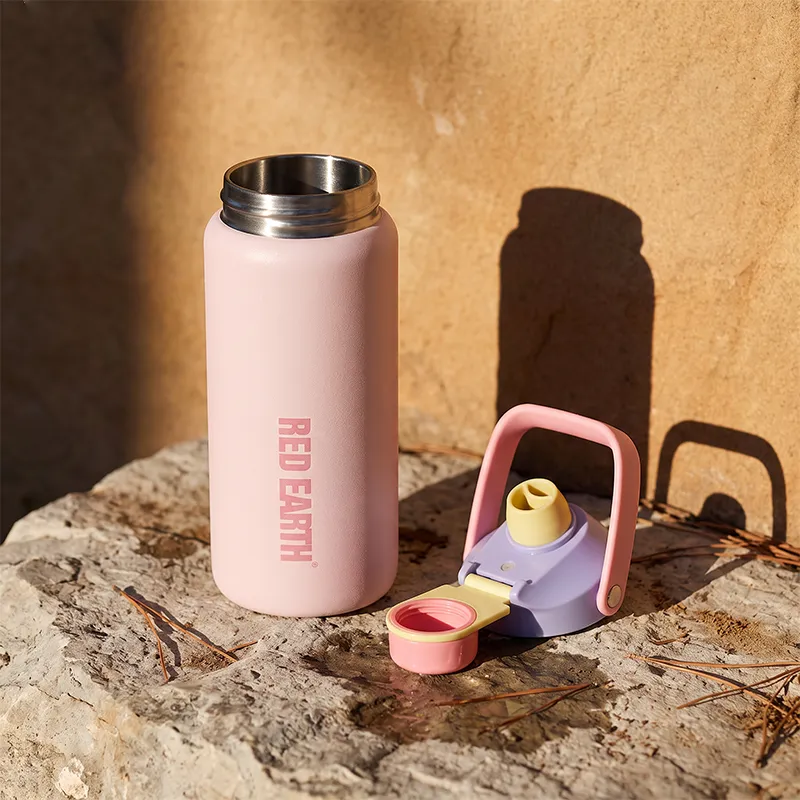
Want to get the most out of your water bottle insulated? Here's the routine we recommend to all our customers. Rinse it with warm water and mild dish soap right after you use it—don't let stuff sit and dry out. Never use steel wool or abrasive scrubbers on the inside. Those scratches become homes for bacteria. For a deeper clean, mix baking soda and white vinegar, let it sit for about 15 minutes, then rinse. Works like a charm. The lid needs love too—pop the silicone gasket off, wash it separately, and dry it completely before putting it back. Check that gasket every three months for cracks or hardening. If you're storing the bottle for a while, leave the lid off so moisture can evaporate. Do these little things, and that 10-year bottle might just turn into a 15-year one. It's like changing your car's oil—small effort, huge payoff.
How to Know When It's Time to Say Goodbye
Even the best water bottle insulated eventually calls it quits. Here's how to tell. If you see condensation on the outside when it's full of cold liquid, that vacuum seal is gone. If you hear something sloshing or rattling inside the walls, the inner liner has detached. If your coffee turns lukewarm in under two hours or your ice melts in less than six, the insulation is failing. And if you taste metal in your water, that's inner wall corrosion—time to retire it. These aren't normal wear signs. They're red flags that the bottle's protective barriers are shot. Don't keep using it hoping it'll get better. It won't. Replace it when you spot these signs, and you'll stay safe and satisfied.
Longer Life Means a Happier Planet
Here's something we think about a lot at our facility. A water bottle insulated that lasts a decade replaces hundreds of disposable plastic bottles and several cheap metal flasks that'd otherwise end up in a landfill. That's good for the planet and good for business. Procurement folks love it because it lowers total cost and waste management overhead. Brands love it because it builds loyalty and word-of-mouth. RedEarth and Gint are all about designing for longevity—recyclable materials, standard gasket sizes, modular parts that can be fixed instead of trashed. It matches what more and more customers are asking for worldwide. A bottle that goes 10 years isn't just a good buy—it's a responsible choice.
Quick Buying Guide: What to Look For
When you're shopping for a new water bottle insulated, don't just pick the prettiest one. Check the steel grade—it should say SUS304 or SUS316L. Look for vacuum layer thickness around 1.0mm or more. Make sure the lid seal is food-grade silicone. Ask for independent test results, not just sales pitch fluff. A warranty of five years or more usually means the brand actually believes in their stuff. Pay attention to the lid mechanism—best ones are single-button or twist-open with a lock. And here's a pro tip: weight matters. Better insulation uses more metal, so a noticeably heavier bottle often means better thermal performance and durability. These little details add up to a bottle that'll have your back for years.
Bottom Line
So how long does a premium water bottle insulated really last? If you buy quality, treat it right, and do basic maintenance, you're looking at 8 to 12 solid years. That's the real-world number we see from our factory floor and customer feedback. Sure, the upfront cost is higher than a cheap plastic option. But break it down by cost per use over a decade? It's pennies a day. And you get better-tasting drinks, less waste, and peace of mind. Whether you're climbing mountains or just heading to the office, a good insulated bottle earns its keep every single day.
Over at RedEarth, we build every bottle with real-world use in mind. Working alongside Gint's manufacturing team, we've dialed in the balance between durability and everyday practicality—because a bottle shouldn't just work great out of the box. It should still work great years down the road.