 EN
EN

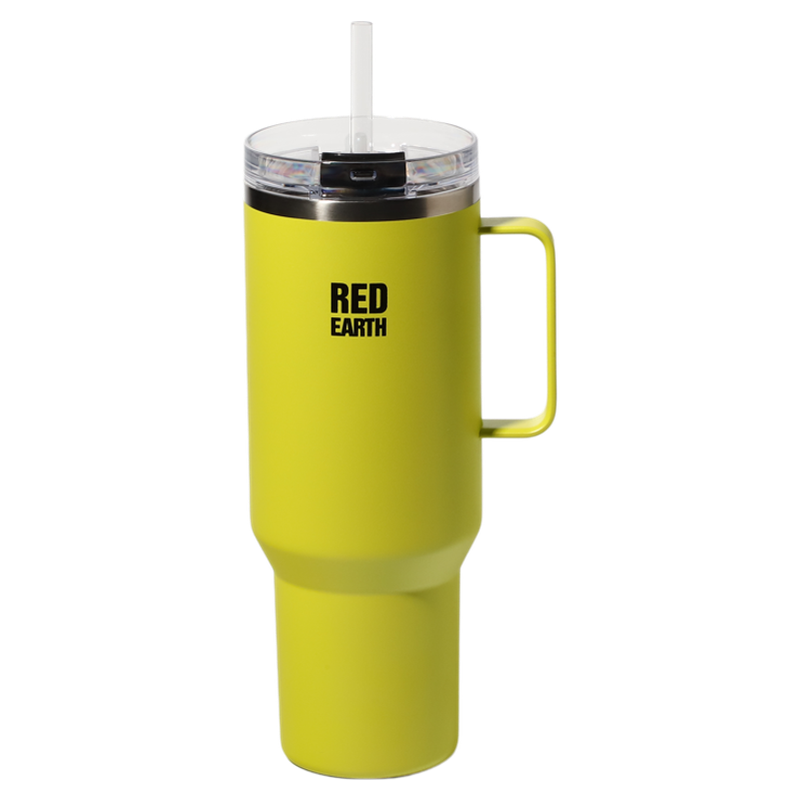
Why office coffee needs a different cup
The daily volume reality of desk drinking
A stainless steel tumbler that holds 12 to 16 ounces covers the typical office coffee portion, because most workers fill once and sip across two or three hours at the desk. Smaller cups need refilling mid-task, which breaks focus, while oversized 24-ounce vessels rarely empty and sit lukewarm by afternoon. Matching capacity to the real pour, not the marketing number, is what keeps the tumbler in use instead of back in the drawer. The cost of a wrong size shows up as wasted coffee and abandoned cups, which defeats the reuse goal entirely.
How a stainless steel tumbler changes the routine
Insulation changes the office habit because the second cup stays hot long enough to finish it. A double-wall vacuum chamber holds temperature far better than a ceramic mug, so a drink poured at nine still drinks warm past eleven. That reliability removes the walk to the brewer every hour, and the sealed lid means the cup travels to a stand-up meeting without a lidless spill. Small conveniences like these are why the tumbler survives the shift from novelty to daily tool, and dishwasher-safe construction matters in an office because a hand-wash-only cup gets left in the sink and forgotten.
A company that rolled out tumblers at the desk
Background of the open-plan office
A 200-seat software office ran free coffee but burned through paper cups and fielded complaints that the brew went cold during long focus blocks. Facilities wanted a reusable option that felt professional, fit the existing machines, and avoided a cluttered pantry of mismatched mugs. Mismatched personal mugs also clogged the dishwasher and looked unprofessional in client meetings, so the procurement lead needed a single specification that worked for everyone from the intern to the executive suite.
What the stainless steel tumbler program delivered
The facilities team chose a stainless steel tumbler in 16-ounce capacity with a splash-proof slider lid and a tapered base that fit the office brewers. Branding was kept subtle, and a matching saucer caught drips at each station. Within a month, paper-cup usage dropped sharply, and the IT floor reported fewer coffee-related interruptions during deep work. Hygiene improved too, since a personal cup replaced the shared, often unwashed break-room mugs. The stainless steel tumbler program paid back through lower supply cost and a tidier pantry rather than a dramatic one-time saving, and the uniform cup simplified dishwasher loads.
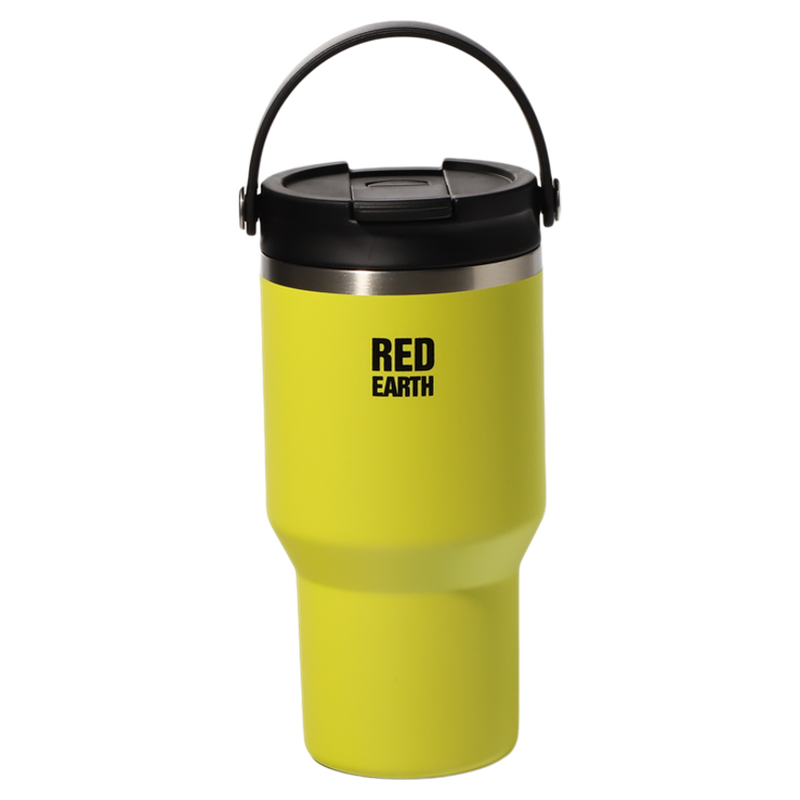
How capacity and insulation match the workday
Volume options and machine clearance
Choosing a stainless steel tumbler means checking the base diameter against the brewer and the lid height against the overhead clearance. A 12-ounce cup suits espresso-based drinks and small pours, 16 ounces fits the standard drip portion, and 20 ounces serves the long-meeting crowd without constant refills. The tapered or straight base decides whether the cup sits under a Keurig-style spout or a traditional urn, so capacity and geometry must be specified together rather than separately. Thermal mass plays a role as well: a near-empty large tumbler cools faster than a filled small one, so advise staff to pour to a sensible level.
Lid, seal, and heat retention design
A stainless steel tumbler with a well-sealed lid keeps heat in and leaks out, which is the difference between a trusted desk companion and a hazard. A slider or flip lid lets the drinker sip without unscrewing, while a gasket-rated seal survives the dishwasher without warping. Copper-lined vacuum walls extend retention further, and a powder-coated grip stops the cup sliding off a tilted desk. The lid polymer should be BPA-free, because the mouth contacts it dozens of times a day, and a straw version helps iced coffee fans but traps more parts, so choose the lid to the drink mix the office actually serves.
Standards, selection, and care for offices
Material and safety references
Food-contact rules such as FDA requirements and EU 10/2011 set the baseline for materials touching coffee, while LFGB covers the stricter German market that many European offices reference. ISO 9001 shows the supplier runs a documented quality system, and a BPA-free certification on the lid polymer prevents softening agents from contacting a hot drink. Citing these during procurement keeps comparisons honest, because two tumblers that look alike differ once the steel grade and lid material are traced, and a certificate on file protects the buyer if a claim ever arises.
Buy, inspect, and maintain checklist
When specifying a stainless steel tumbler for a bulk office rollout, confirm the capacity, base diameter, and lid type before ordering. Inspect a sample for lid seal compression and run it through the office dishwasher to check warping. On care, teach staff to remove the gasket weekly for a quick rinse, since coffee oils build up and turn rancid if ignored. Color-code or laser-mark batches so lost cups return to the right owner and the program stays accountable. Logging batch checks at receiving catches a bad run before it reaches the floor, and a simple heat-retention test confirms the vacuum has not failed in storage.
A properly chosen stainless steel tumbler turns office coffee from a cold-interruptions problem into a quiet productivity tool. The right volume, a sealed lid, and a vacuum wall keep the drink hot through the work that matters, giving facilities a reusable upgrade that people actually keep on the desk.
Frequently Asked Questions
Question
What tumbler size fits a standard office coffee?
Answer
Most office drinkers do well with 12 to 16 ounces, since that covers a standard drip pour and sips across a morning of meetings. A 20-ounce cup helps those who refill rarely or take long calls, while anything smaller prompts mid-task walks to the brewer. Match the volume to the real pour and the desk habit, not the largest number on the shelf, so the cup stays in use.
Question
Why does insulation matter for desk coffee?
Answer
A vacuum wall holds temperature far longer than ceramic, so coffee poured at the start of a focus block still drinks warm hours later. That removes the hourly trip to the machine and the cold half-cup left by the keyboard. The sealed lid also lets the drink travel to a stand-up meeting without spilling, which is why insulated cups outlast open mugs as a daily tool.
Question
Which lid type suits a busy office?
Answer
A slider or flip lid beats a screw cap in a busy office, because it opens with a thumb and reseals without two hands. A rated gasket survives the dishwasher without warping, and a splash-proof design keeps the cup safe in a bag. Avoid lids with many small parts that trap coffee oil, since those are the ones staff stop cleaning and start avoiding.
Question
Are stainless tumblers safe for hot drinks?
Answer
Yes, provided the steel is 18/8 or 316L and the lid polymer is BPA-free, because those materials do not leach flavor or softening agents into a hot drink. Request the material certificate and check that no lead solder sits at the base. A stainless steel tumbler built to food-contact standards is safe for daily hot coffee and outlasts the plastic alternatives it replaces.
Question
How should office tumblers be cleaned?
Answer
Remove the gasket weekly and rinse it, because trapped coffee oil turns rancid and smells within days if ignored. The steel body washes easily by hand or dishwasher, but the lid seal prefers gentle cycles to avoid warping. Dry the lid separately so moisture does not sit against the gasket, and run a periodic heat-retention check to confirm the vacuum has not failed in storage.
Question
Can one tumbler replace disposable cups at work?
Answer
For most desk and meeting use, yes, a personal cup removes the paper-cup habit entirely and cuts pantry clutter. Shared sips and visitors still need a spare, so keep a small stack of dishwasher-safe mugs for guests. The real saving comes from daily reuse by the same person, which is why comfort and a trusted seal matter more than a clever feature.