 EN
EN

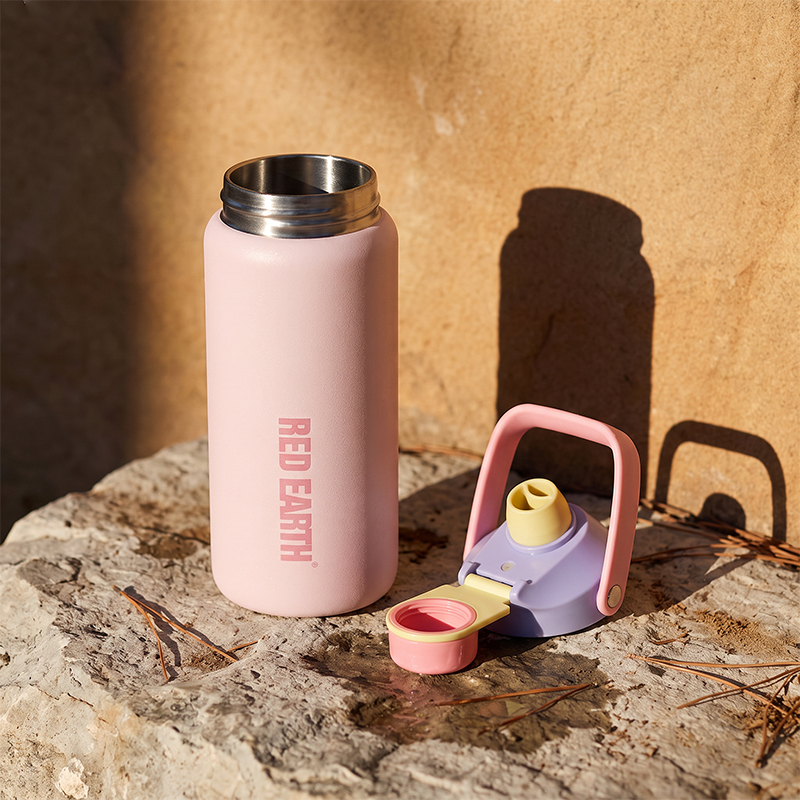
Top-Selling Insulated Water Bottles in the School Market
Hydro Flask: Brand Trust and 24-Hour Cold Retention Drive Classroom Adoption
Hydro Flask water bottles are a top choice in schools thanks to their trusted brand reputation, proven 24-hour cold retention, and durable BPA-free stainless steel construction. Double-wall vacuum insulation ensures drinks stay refreshingly cold from morning drop-off through after-school activities—eliminating mid-day refills in busy classrooms. The wide mouth accommodates ice cubes, while the slim profile fits most backpack side pockets. Though the exterior can dent under heavy impact, its consistent performance and safety certifications (including FDA-compliant materials) reinforce parental confidence. Educators and parents consistently cite reliability and familiarity as key factors in adoption across grade levels.
Takeya Actives: Leak-Proof Lids and Student-Centric Ergonomics Boost Repeat Purchases
Takeya Actives bottles directly address two core school-day challenges: leaks and usability. Their patented leak-proof lid features a hard-folding spout and internal straw for secure, one-handed drinking—even when tossed into a backpack. Wirecutter’s 2023 testing confirmed it’s among the easiest kids’ bottles to clean, with full dishwasher-safe compatibility for both bottle and lid. The 14-ounce size meets hydration needs for elementary students, while larger capacities suit older kids. An ergonomic shape with textured grip prevents slips, and a mature, vibrant color palette avoids “babyish” aesthetics. Parents appreciate the removable straw, allowing conversion to a strawless design as preferences evolve—extending product life and supporting repeat purchases at a competitive mid-range price point.
Key School-Specific Demand Drivers for Insulated Water Bottles
Leak Resistance, BPA-Free Certification, and 500 ml Capacity as Non-Negotiable Features
In the school market, three features are non-negotiable: leak resistance, BPA-free certification, and 500 ml capacity. A single seal failure can damage textbooks, tablets, and clothing—making robust, locking lids a decisive purchase factor. Material safety is equally fundamental: BPA-free certification is now a baseline health requirement, not a premium differentiator. Meanwhile, 500 ml strikes the optimal balance—providing enough hydration for a half-day of classes while remaining lightweight and compact enough for small hands and standard backpack side pockets.
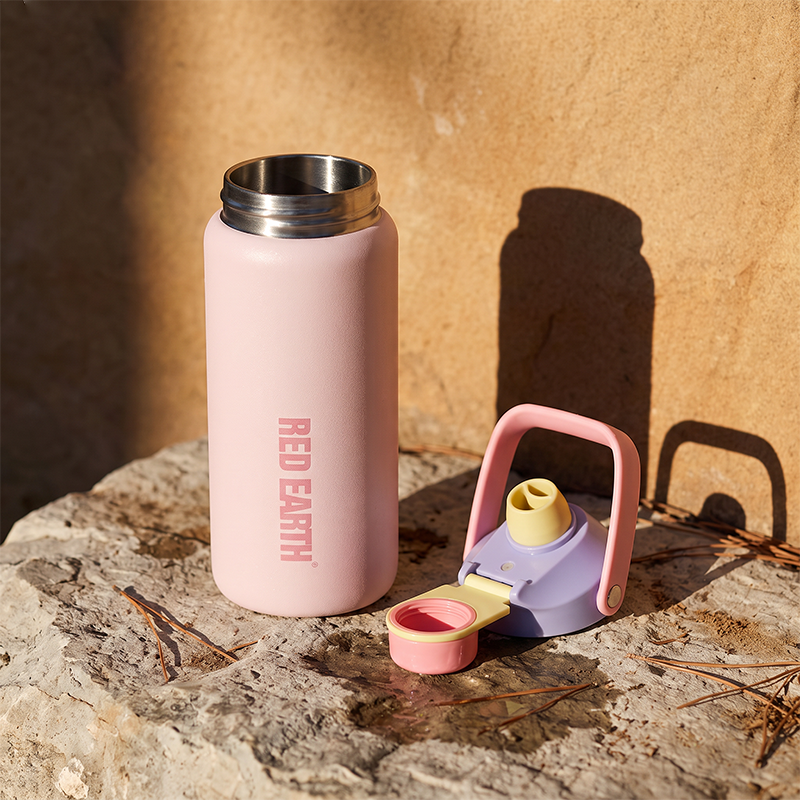
Price Sensitivity and Reusability: How Budget-Conscious Families Prioritize Value
School buyers prioritize long-term value over lowest upfront cost. A durable, reusable insulated water bottle delivers measurable savings compared to daily single-use drinks—and families weigh this against real-world resilience. The true economic and environmental value hinges on surviving daily drops, locker storage, and repeated dishwasher cycles without compromising function or safety. As highlighted in the 2024 Reusable Water Bottle Market Report, 80% of parents rank long-term durability above initial price when selecting a school bottle—confirming that rugged reusability, not just affordability, defines value in this segment.
Performance Benchmarks: Cold Retention, Durability, and Real-World Reliability
Cold Retention Comparison: 24-Hour, 18-Hour, and 12-Hour Insulated Bottles
Cold retention directly shapes student hydration habits. A 24-hour insulated water bottle—typically using double-wall vacuum insulation—maintains cold temperatures overnight, making it ideal for field trips or students who forget refills. An 18-hour model reliably covers a full school day plus after-school sports, while a 12-hour option often requires a lunchtime top-up to remain effective into the afternoon. Real-world testing under typical classroom conditions confirms these benchmarks are achievable—but only when paired with structural durability. Over time, repeated impacts and cleaning cycles can degrade seals and insulation; therefore, sustained cold performance depends as much on build quality as on initial specs.
Design, Safety, and Practicality Features That Influence School Adoption
Ergonomic Shapes, Customization Options, and Dishwasher-Safe Stainless Steel Construction
Ergonomic design matters in school settings: narrow waists and soft-touch finishes improve grip for younger students, reducing accidental drops. Customization—such as built-in nameplates or matte, sticker-friendly surfaces—helps students quickly identify their bottle in shared spaces like cubbies or cafeteria tables. Crucially, dishwasher-safe stainless steel construction enables thorough, consistent sanitization without degrading insulation or leaching chemicals—meeting both school hygiene policies and parental expectations. Together, these features transform the insulated water bottle from a simple container into a safe, reliable, and personalized part of the daily school routine.
FAQ
Why is cold retention important for school water bottles?
Cold retention ensures students stay hydrated throughout the day without needing frequent refills, even during long school hours or outdoor activities.
What makes Hydro Flask a popular brand for schools?
Hydro Flask bottles are known for their reliable 24-hour cold retention, durable BPA-free construction, and positive brand reputation, which builds parental trust.
What features define a student-friendly insulated water bottle?
Student-friendly bottles typically include leak-proof lids, manageable capacities (like 500 ml), ergonomic designs, and vibrant yet mature color options.
How can parents ensure the longevity of insulated water bottles?
Choosing dishwasher-safe bottles with durable stainless-steel construction helps ensure they withstand daily use, cleaning, and unintended drops.
Why is BPA-free certification crucial for school bottles?
BPA-free certification guarantees safe, non-toxic materials, a primary concern for parents regarding their child’s health during daily use.