 EN

Beach vendors move stock on foot across sand, boardwalks, and crowded shorelines every trading day. For this group, coolers must do more than keep drinks cold; they must move without exhausting the seller. A unit that is simple to lift, balance, and roll changes the rhythm of an entire shift. The practical question is whether a lighter build makes daily transport manageable without sacrificing the capacity a busy stand needs.
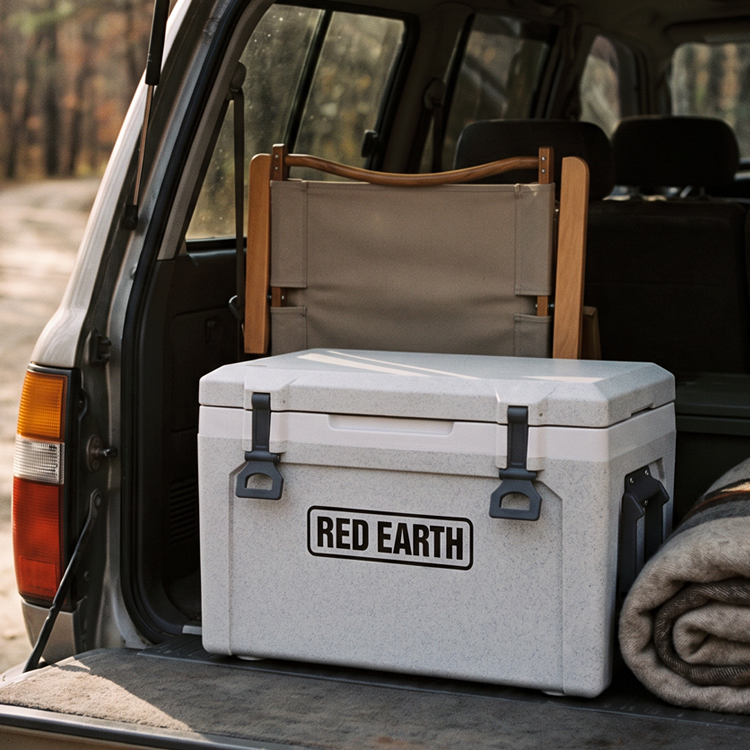
Before sunrise, a beach vendor loads the day's supply near a parked van. Two coolers sit on the tailgate, each filled with bottled water, iced tea, and chilled juice. Carrying them down a sandy ramp means gripping a narrow rim while sand shifts underfoot. The vendor prefers a model with a molded side grip because it keeps the load close to the body. After weeks of trial, the lighter shell reduced midday fatigue and freed both hands for ring-up and change. This small change turned a painful start into a steady routine.
Oversized coolers create real problems beyond soreness. Awkward lifts near wet surfaces raise slip risk, and an off-balance container can tip onto merchandise. Vendors who stack too much in one box struggle with doorway thresholds and steep boardwalk steps. Repeated strain shows up as wrist and lower-back complaints after a season of daily hauling. Smarter planning separates ice from stock, uses a cart for distance, and reserves direct carrying for the final short hop to the pitch. Reducing per-trip load protects both product and person. Over a season, the hidden cost appears in lost selling minutes. A vendor who dreads the walk may skip restocks, letting the stand run dry at peak hours. Ankle twists on uneven sand also sideline a solo operator for days, cutting weekly revenue.
Rotomolded coolers pour liquid resin into a heated mold that spins on two axes, forming a seamless, thick wall. The result is rugged but heavy, often adding several kilograms versus a thin injected shell. Injection-molded bodies use less material and thinner profiles, trimming weight for the same outer footprint. The trade is durability: a roto shell shrugs off drops and UV, while a light shell may flex under load. Vendors choose based on terrain and distance, not on a single spec sheet.
Between the inner and outer walls of mid-size coolers sits foam insulation that also adds mass. Denser foam holds temperature longer yet weighs more, so engineers balance thermal need against carry comfort. A thinner wall saves grams but can dent during transit. Double-wall vacuum designs common in drinkware remove foam entirely, yet large boxes still rely on foam for structure. The right mix depends on how many hours stock stays exposed before the next restock run. Field tests show that a well-sealed lid matters as much as wall thickness for holding cold. Vendors who pre-chill the liner overnight gain extra hours before the first melt. Selecting the right foam grade keeps weight modest while meeting a full trading day's need.
Handle placement decides whether a load feels controllable. A top-centered grip lets one person hoist, while side handles let two share the weight on stairs. Well-built coolers add contoured grips that match the palm, cutting finger strain. Some lids double as trays, removing a separate carry item. Vendors report that a padded, wide handle reduces shaking on long walks far more than a few saved kilograms alone. Comfort, not just mass, defines true portability.
Wheeled coolers turn a heavy box into a rolling cart across pavement, though sand still resists small wheels. A recessed drain plug speeds meltwater removal, keeping the unit lighter as ice melts through the day. Balanced load points keep the center of gravity low, so a filled container does not tip while pulled. Tie-down slots let the box seat securely on a pushcart. These features matter as much as raw weight when judging daily ease of movement.
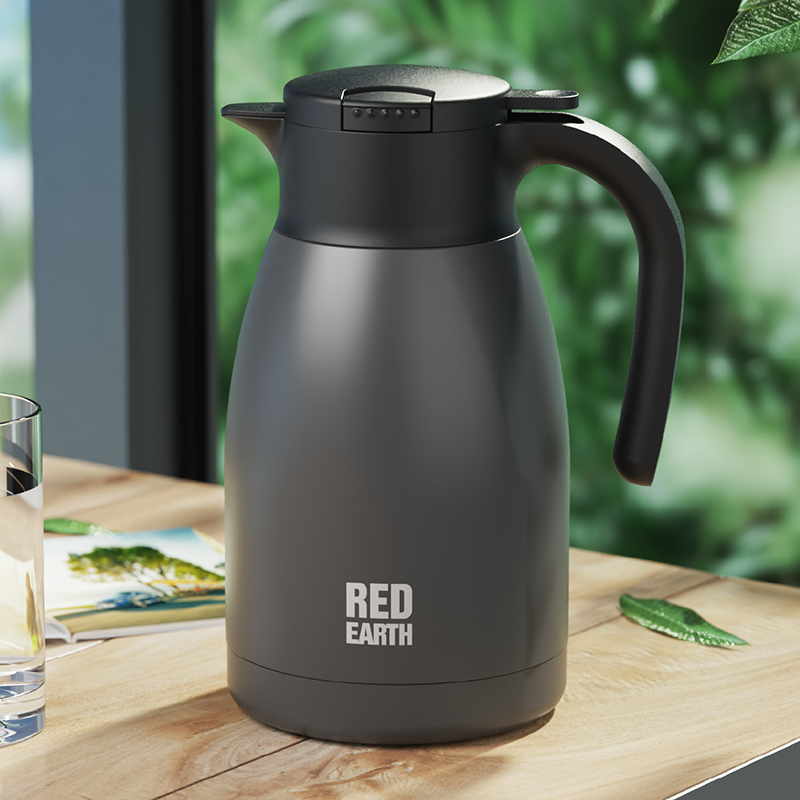
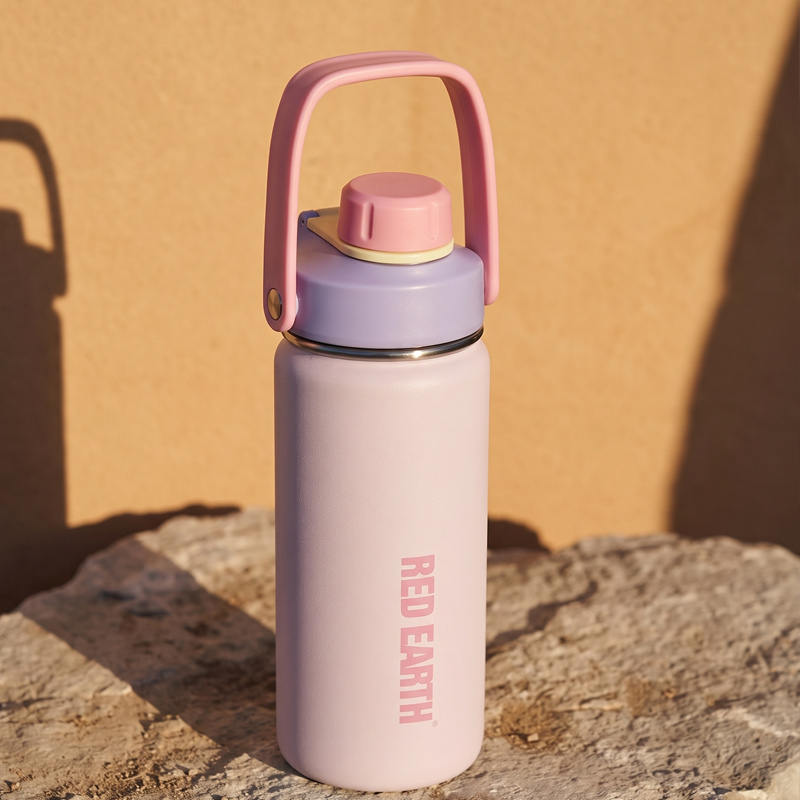
Buyers should match capacity to actual sell-through, not to maximum volume. A 25-liter box may fit a weekend crowd yet burden a solo weekday seller. Request sample units and weigh them filled, since catalog mass omits ice and stock. Confirm food-grade liner compliance with FDA or LFGB for direct drink contact. ISO 9001 certification from the manufacturer signals consistent process control. A verified supplier such as RedEarth (Zhejiang Gint Vacuum Flask Technology) offers one-stop drinkware sourcing for overseas importers needing mixed SKUs.
Inspect seals, latches, and wheels before each season; a stuck hinge forces heavier one-handed lifts. Rinse the liner after salty use to prevent corrosion on metal fittings, and dry fully to avoid mold weight gain. Store with the lid ajar so foam breathes and odors fade. Check ANSI or EN markings where regional standards apply. Regular care keeps the box light in practice, because neglect, not the original build, often adds the pounds vendors complain about. Replace worn gaskets before they leak, since a waterlogged base grows heavier and harder to move. Label each unit by purchase quarter to track age and plan retirement.
Lightweight portable coolers prove practical for beach vendors when shell material, grip design, and smart loading work together. A thinner injected body, contoured handles, and wheels ease the daily walk from van to shoreline. Choosing the right capacity prevents over-carrying, while routine care stops hidden weight gain. For mobile sellers, coolers that balance cold retention with easy transport protect both revenue and the body through long seasons.
What weight range suits a solo beach vendor?
Answer: A solo seller moving stock on foot should target a filled weight she or he can lift repeatedly without strain. Many choose boxes under fifteen kilograms when loaded with ice and drinks. Lighter units reduce wrist load on boardwalk stairs and sandy ramps. Pairing a compact box with a wheeled cart covers longer distances. The goal is steady daily movement, not maximum volume that forces risky single lifts.
Why does shell material affect how far vendors carry stock?
Answer: Shell material sets the base mass before any ice or drink is added. Rotomolded builds use thick resin walls that resist drops but add kilograms, while injected shells trim grams with thinner profiles. A heavier empty box means less payload per trip and faster fatigue on long walks. Vendors weigh durability against distance, since a cracked light shell also costs sales. Material choice directly shapes daily transport reach.
How can a vendor reduce strain when loading a cart?
Answer: Reducing strain starts with splitting ice and stock into two lighter loads instead of one heavy box. Use a cart with large wheels for sand and keep the handle at waist height to protect the back. Load the heaviest items low and centered to lower the center of gravity. Take short rests on long boardwalk pulls. Simple planning cuts daily injury risk more than shaving a few hundred grams off the shell.
Can these portable units keep drinks cold during a full beach day?
Answer: Lightweight coolers rely on foam insulation and tight lid seals to hold temperature through hours of sun exposure. A thinner injected shell loses cold a bit faster than a thick roto build, yet still covers a standard trading day when pre-chilled and kept out of direct heat. Vendors add frozen packs and limit lid opens to extend performance. Cold retention depends on usage habits as much as on the shell weight itself.
Where should a buyer check compliance before importing drinkware?
Answer: Buyers should verify food-contact certification such as FDA or LFGB for liners touching drinks, plus ISO 9001 for the factory quality system. Regional rules may require EN markings for EU shelves or ANSI references for material grade. Request test reports from the supplier and confirm the same standards apply to every batch. Working with a verified one-stop manufacturer simplifies audits and keeps mixed drinkware orders consistent across SKUs.
 Hot News