 EN
EN

A stainless steel bottle may look simple from the outside, but keeping a drink hot or cold for hours depends on much more than adding a second wall and pumping out the air.
True vacuum insulation is about one thing:
controlling heat transfer.
And creating a vacuum is only one part of that process.
To understand why some insulated bottles perform better and remain stable for longer, it helps to look at what is actually happening between the two stainless steel walls.
First, How Does Heat Move?
Heat transfers in three main ways: conduction, convection and radiation.
Conduction happens when heat moves through direct material contact.
Convection occurs when heat is carried by moving air or fluid.
Radiation transfers heat through electromagnetic energy and can occur even across a vacuum.
This is why a vacuum does not mean zero heat transfer. It dramatically reduces heat transfer through gas conduction and convection, but solid conduction paths and thermal radiation still remain.
A well-designed insulated bottle therefore needs to manage all three mechanisms rather than simply "remove the air."
The Vacuum Is Not the First Step
Before a vacuum can be created, the bottle first needs a properly constructed double-wall structure.
The inner and outer stainless steel shells are fitted together, followed by important joining processes such as mouth welding and bottom welding. Only after a sealed cavity has been created between the two walls can the air inside that cavity be removed.
In simplified form, the process looks like this:
- Inner and outer shell forming and fitting
- Mouth and bottom welding
- Creation of the double-wall cavity
- Cleaning and drying
- Vacuum extraction and sealing
- Vacuum stabilization
- Thermal performance verification
Every step affects what comes next.
For example, poor dimensional control can make welding more difficult. Weak weld or seal integrity can allow air to enter the vacuum space later. Moisture or contamination may also affect the stability of the low-pressure environment.
That is why insulation performance cannot be separated from manufacturing quality.
What Actually Changes When the Air Is Removed?
Once most of the gas between the two walls is removed, there are far fewer gas molecules available to carry heat.
The result is less gas conduction and significantly less convection.
This dramatically slows down one of the major routes through which heat would otherwise move from the inner wall toward the outside environment, or in the opposite direction when keeping a drink cold.
But the job is not finished.
A vacuum can be created successfully during production and still become less effective later.
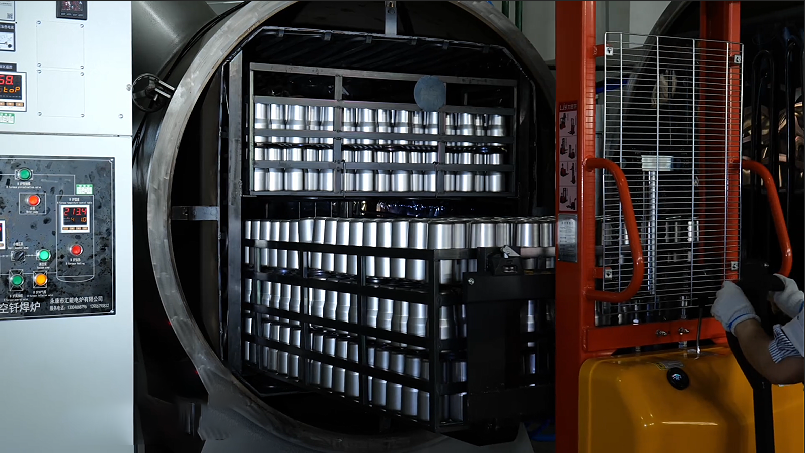
Creating a Vacuum Is One Thing. Keeping It Is Another.
The long-term stability of a vacuum space can be affected by several factors.
Residual gases may remain after vacuum processing. Moisture or contamination can remain on internal surfaces. Materials themselves may release small amounts of gas over time, a phenomenon known as outgassing. A weakness in the vacuum boundary can also allow leakage.
This is why cleaning and drying before vacuum processing matter.
It is also why evaluating a vacuum-insulated bottle should not stop at asking:
"Was a vacuum created?"
A better question is:
"Can the vacuum remain stable throughout the product's expected life?"
What Does a Getter Do?
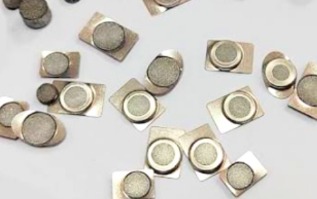
A getter is a small component positioned within the vacuum space between the inner and outer walls.
Its job is not to create the vacuum.
Instead, it helps capture certain residual gases or gases that may be released later, supporting the low-pressure environment inside the double-wall structure.
It is a small component, but it illustrates an important principle in vacuum insulation:
long-term thermal performance depends on maintaining the system, not only creating it.
A getter also cannot compensate for poor welding, leakage or an unstable manufacturing process. It works as part of the overall insulation system.
Vacuum Created Does Not Mean Performance Verified
After vacuum processing, there is still one critical question:
Does the finished bottle actually insulate as intended?
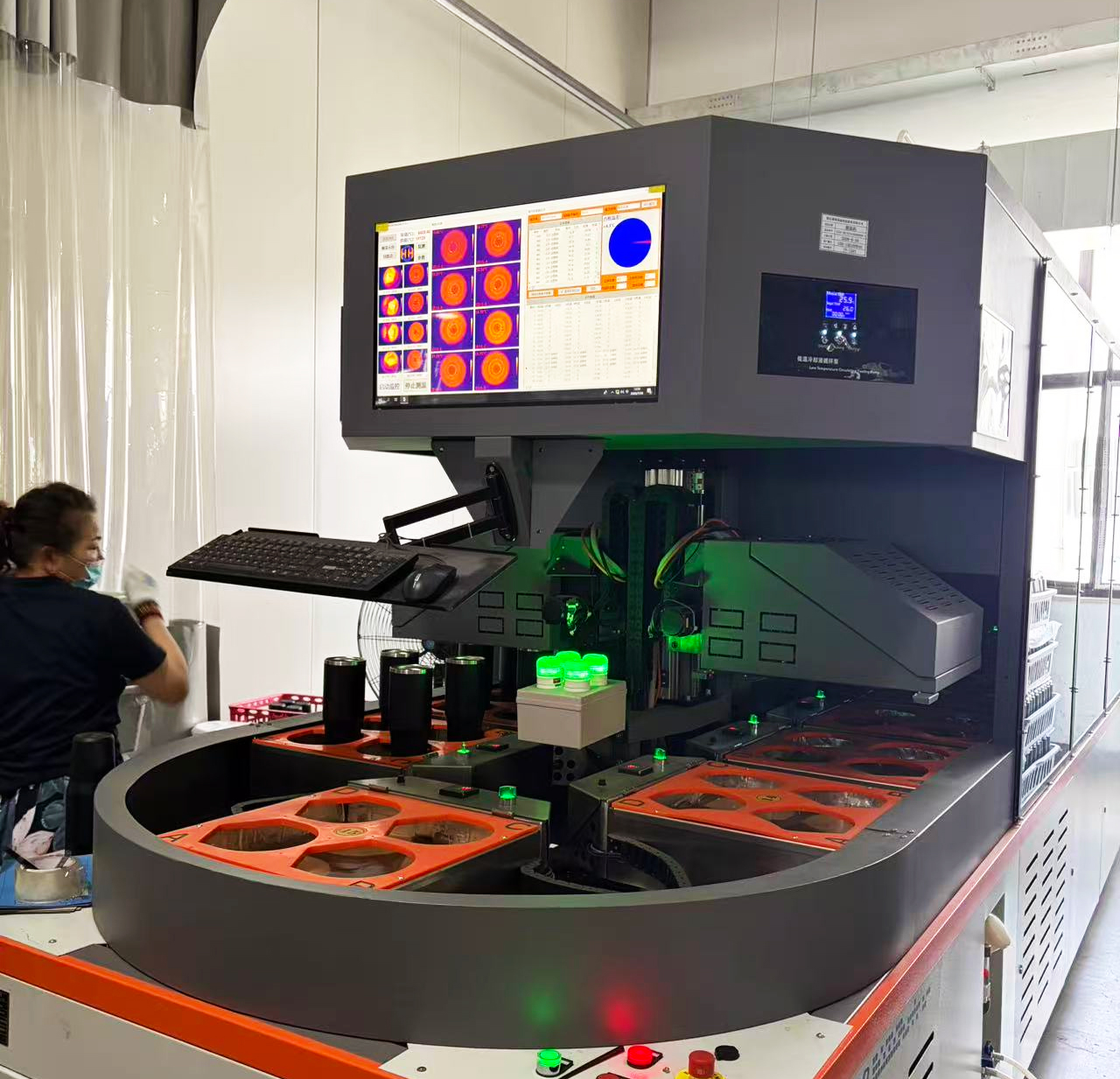
That requires verification.
The original manufacturing process shown in this guide uses thermal inspection after vacuum extraction to identify abnormal heat transfer and verify insulation performance.
This distinction matters because the existence of a vacuum process does not automatically guarantee the thermal performance of every finished bottle.
For product developers and sourcing teams, verification is therefore just as important as process capability.
A supplier should be able to explain not only how the vacuum is created, but also how finished insulation performance is checked.
So What Really Determines Insulation Performance?
There is no single component or manufacturing step that makes a bottle "well insulated."
Performance comes from the interaction of the entire system:
Double-wall structure → dimensional control → weld and seal integrity → vacuum creation → vacuum stability → thermal verification.
This also explains why two bottles that look similar from the outside can perform differently.
Material specifications matter.
Vacuum quality matters.
Welding matters.
Cleanliness and process control matter.
And verification matters.
The strongest insulation performance is therefore not created by one feature. It is built through a controlled manufacturing system.
What Should Product and Sourcing Teams Ask?
When evaluating an insulated stainless steel bottle, specifications such as capacity, stainless steel grade and target temperature retention are important.
But buyers and product developers can also look deeper.
Instead of asking only:
"Is this a double-wall vacuum bottle?"
consider asking:
How is the double-wall structure controlled?
How are welding and sealing verified?
How is the vacuum created and maintained?
How is final thermal performance tested?
Those questions provide a much clearer picture of how reliably a product can move from an approved sample to consistent production.
Vacuum Insulation Is a System
The basic idea behind vacuum insulation is simple: reduce the pathways through which heat can travel.
Executing that idea consistently in mass production is much more complex.
The double-wall structure, welding, cleanliness, vacuum process, vacuum stability and final verification all work together.
That is what turns a stainless steel container into a reliable insulated product.
Looking for insulated drinkware for your next product program? Explore RedEarth's drinkware collection or contact our team to discuss your product requirements
Table of Contents
- First, How Does Heat Move?
- The Vacuum Is Not the First Step
- What Actually Changes When the Air Is Removed?
- Creating a Vacuum Is One Thing. Keeping It Is Another.
- What Does a Getter Do?
- Vacuum Created Does Not Mean Performance Verified
- So What Really Determines Insulation Performance?
- What Should Product and Sourcing Teams Ask?
- Vacuum Insulation Is a System