 EN

A reliable small cooler turns a standard vehicle into a dependable refreshment station, but only when its outer dimensions match the actual room behind the seats. Many procurement buyers assume any compact unit will slide into the gap, then discover the box blocks the seat belt or rides against the child seat. Sizing must start with real measurements, not catalog guesses.
The first step in selecting a small cooler is mapping the physical envelope of the rear cabin. Procurement teams should record three numbers: vertical clearance from the seat cushion to the roof, horizontal width between the door panels, and depth from the seatback to the rear hatch. A unit that looks compact in a product photo may still exceed one of those limits once the rear seats are reclined.
Standard back seats leave a wedge-shaped void that rarely matches a rectangular box. One overseas importer supplying a European retail chain learned this directly: the sourced units measured two centimetres taller than the listed spec, so they jammed against the roof and blocked the seat belt in compact cars. The fix was a lower-profile mold and a written external-dimension tolerance from the factory. After the change, fit complaints on the back-seat SKU dropped noticeably.
Volume and floor space move in opposite directions for hard-shell units. A small cooler that is tall and narrow uses less horizontal room but raises the centre of gravity, while a wide, flat model spreads the load and stays planted. For back-seat placement, a lower profile usually matters more than maximum litres, since headroom is the binding constraint on most sedans and hatchbacks.
Double-wall vacuum insulation lets a smaller body hold temperature for a useful span without bulky extra walls. A 316L stainless steel liner resists corrosion from melted ice and juice spills, supporting a longer service life in repeated transit use; the 316L grade traces to ANSI material standards while EU shipments may reference EN markings. Buyers should weigh usable capacity against the square centimetres the box occupies on the seat, not just the advertised volume.
Most passenger cars offer three realistic placement zones: the footwell behind the front seats, the flat shelf between the rear seat bases, and the folded-down rear bench. The footwell suits a slim upright unit; the shelf favours a low rectangular box; the folded bench opens the largest area but removes passenger seating. Knowing the intended zone directs the dimension priority. A small cooler sized for the footwell differs from one built for the folded bench.
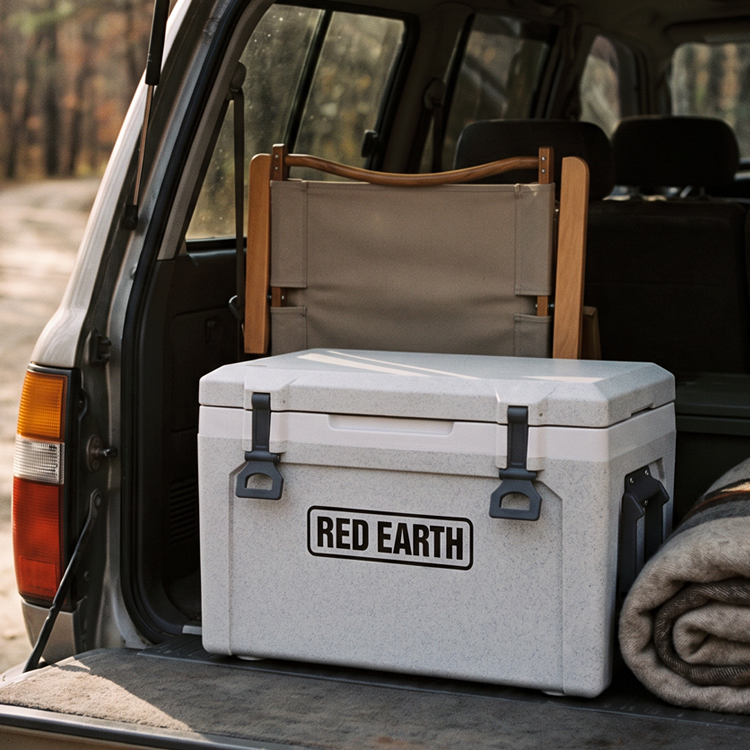
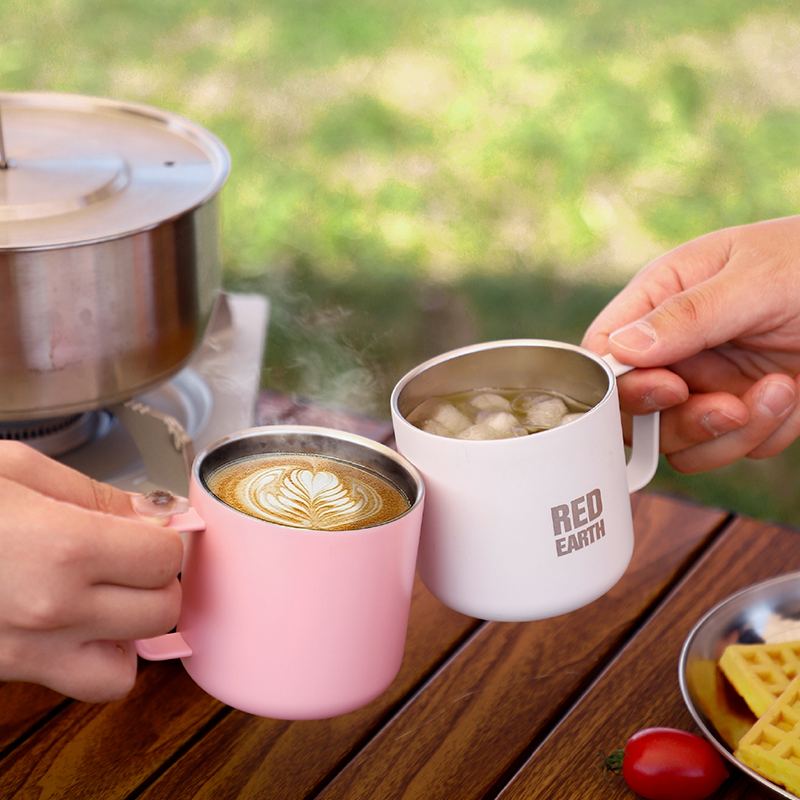
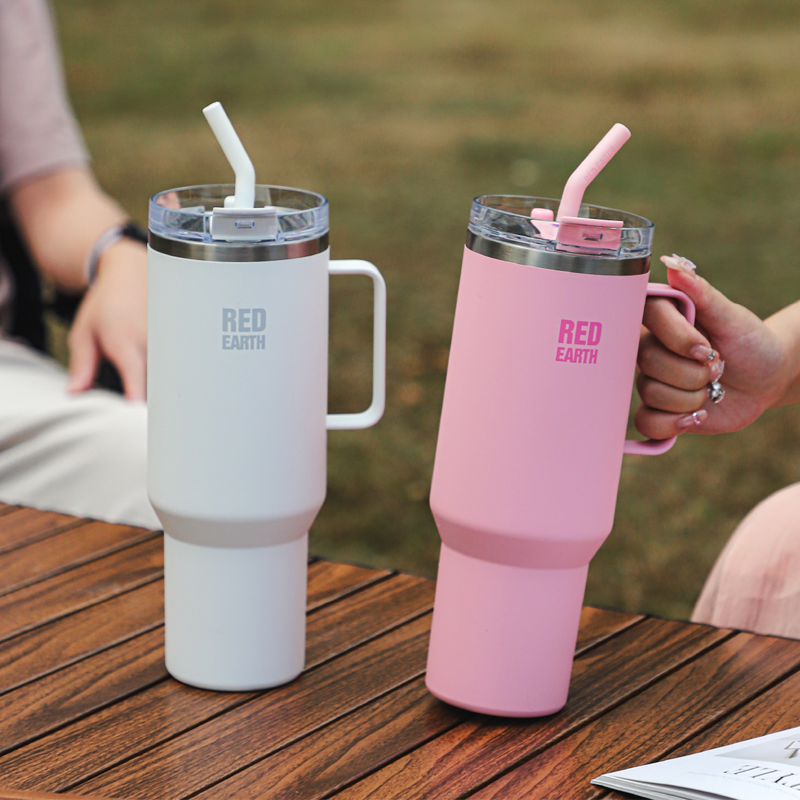
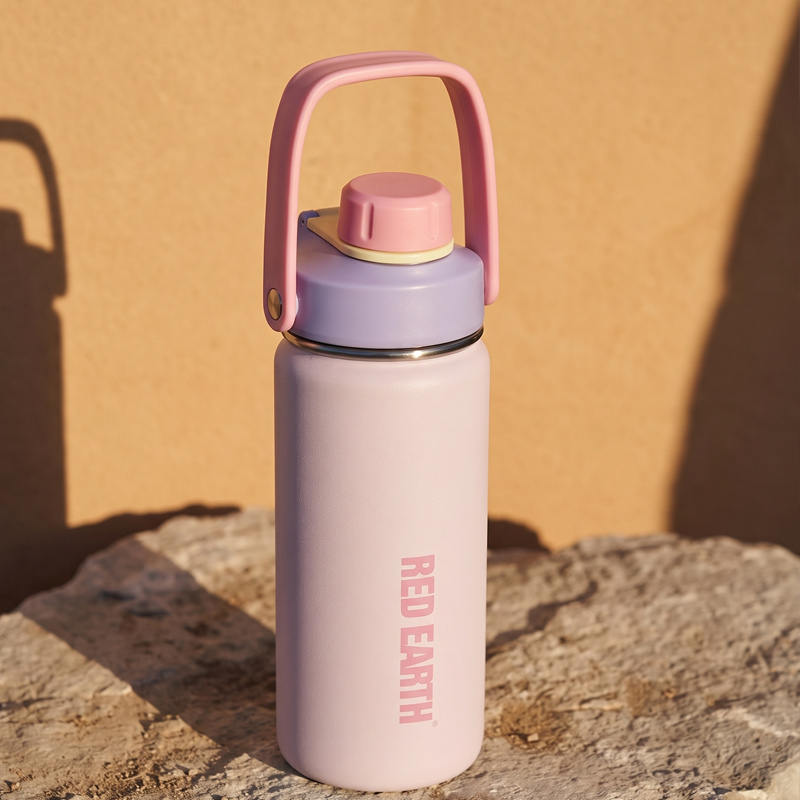
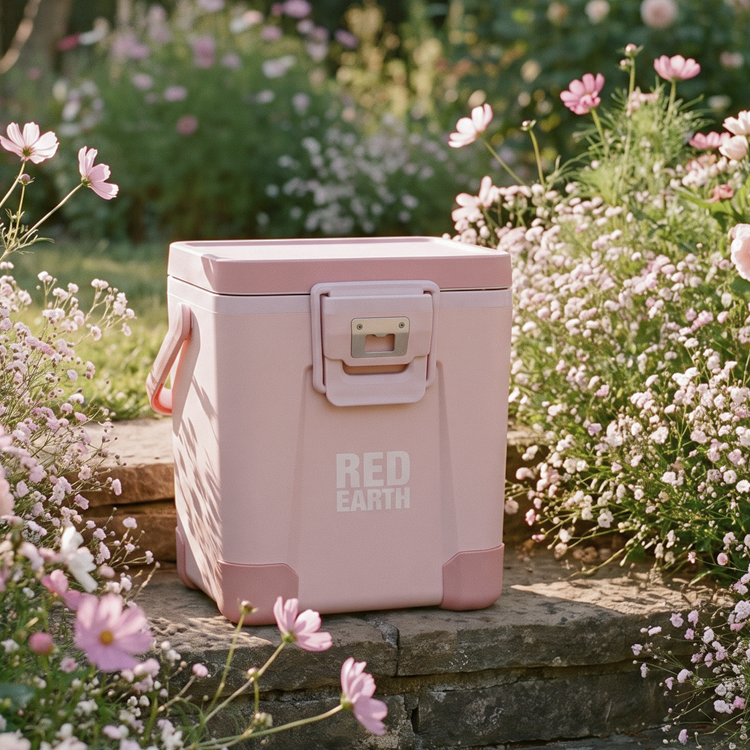
Compact crossovers and SUVs often clear taller units thanks to higher roofs, yet the sloped rear glass still limits depth. A procurement spec should state the target vehicle class, because a cooler that fits a minivan may overhang in a compact sedan. RedEarth supplies drinkware and cooler lines built to consistent external tolerances, which helps buyers plan SKUs across regions with predictable back-seat fit. Buyers who skip the dimension check often face costly returns when the box cannot clear the seat belt path. Documenting the measured envelope per market prevents that risk and streamlines repeat orders across seasons.
An unsecured box becomes a projectile during hard braking, so footprint shape affects safety as much as fit. The small cooler must sit low and centred to avoid becoming a hazard when the vehicle stops suddenly. A wider base with a flat bottom resists tipping better than a rounded base of equal volume, and the geometry of the unit itself sets the baseline stability on a moving seat.
Hard-shell construction keeps the outer dimension stable under load, unlike soft bags that bulge. For B2B fleets, specifying a rigid shell with defined edges simplifies stacking and reduces damage claims. Buyers should confirm liners meet food-contact expectations such as FDA or LFGB, and that the plant runs an ISO 9001 quality system. Inspection at the warehouse should confirm the stated external size matches the production sample before shipment to overseas distributors. A simple incoming inspection with a tape measure catches tolerance drift early, protecting margin on every container.
A compact unit on the rear seat keeps water and lunch chilled through a workday without dominating the cabin. The unit that loads with one hand and slides beside a backpack wins on convenience for commuters who value a quick grab between meetings. The practical win is not maximum ice days but a footprint that disappears behind the seat until the next stop, keeping the cabin usable and the driver undistracted.
Longer drives shift the priority toward capacity within the same back-seat envelope. A small cooler packed with cans and perishable snacks must balance stash volume against remaining passenger comfort. Planning the route around refill stops lets a modest box serve the whole trip, proving that disciplined sizing beats a bigger, intrusive unit that steals legroom and sightlines. Wiping the liner after each trip and leaving the lid ajar during storage limits odour and extends the service life of the seal.
Choosing the right small cooler for vehicle back-seat storage starts with measuring real space and ends with matching dimensions to the intended zone. Capacity, footprint, and stability each pull the design in a different direction, so procurement should specify external size and shell type up front. A measured, zone-aware approach keeps the cabin safe and the refreshments cold without compromise.
What size small cooler fits a standard car back seat?
Answer: A practical size sits within 30 centimetres in height, 40 centimetres in width, and 28 centimetres in depth, leaving clearance for seat belts and headroom. Measure the specific vehicle before procurement, since sedans differ from SUVs. Choose a lower profile over extra litres, because back-seat height is usually the tightest limit. A compact footprint keeps the cabin usable while still holding drinks and snacks for a day.
Why does footprint matter more than capacity for back-seat use?
Answer: The rear cabin limits horizontal and vertical room, so a wide or tall box may block seat belts or rub the roof. A lower, flatter unit uses the available shelf without stealing passenger comfort. Capacity loses value if the box cannot be placed safely. Specifying external dimensions before purchase prevents returns and keeps the cabin practical for daily transit.
How should available space be measured before ordering?
Answer: Record three figures: height from seat cushion to roof, width between door panels, and depth from seatback to hatch. Subtract roughly two centimetres for seat contours and load shift. Request the exact external length, width, and height from the manufacturer rather than litres alone. Repeat the check for every vehicle class in a mixed fleet to avoid a box that fits one car but not another.
Can a cooler stay stable during sudden braking?
Answer: Stability depends on base shape and shell rigidity. A flat, wide base resists tipping better than a rounded one of equal volume, and a hard shell keeps its outline under load. Adding a non-slip mat or seat-back strap improves hold, yet the unit geometry sets the limit. Secure the box low and centred, then verify it does not slide when the seat is empty during a test stop.
Where is the safest zone to place a cooler behind seats?
Answer: The flat shelf between rear seat bases suits a low rectangular box and keeps the unit away from passengers. The footwell behind the front seats fits a slim upright model but limits access. The folded rear bench offers the largest area yet removes seating. Choose the zone that leaves clearance for seat belts and airbags, and never place a hard box where it could strike occupants during a collision.

 Hot News