 EN

Why Middle East color demand follows climate and culture
A Dubai-based promotional distributor once faced a problem familiar to many importers: a container of glossy blue vacuum flask units sat unsold through a hot summer season while matte black and gold variants cleared stock within weeks. The episode shows how regional color taste in the Middle East responds to both heat and heritage. Buyers in Gulf markets weigh sun exposure, gifting customs, and brand identity before committing to a color mix.
The vacuum flask body itself insulates through a double-wall vacuum chamber, yet exterior color still affects surface temperature under direct sun. Light tones and mirror-polished metallic surfaces reflect more radiant heat than dark matte coatings, keeping the outer shell cooler to touch in open-air markets. Importers planning summer SKUs should balance this physics with the fact that high-gloss finishes show scratches and fingerprints more readily than satin ones. A practical approach pairs a heat-reflective exterior with a durable powder coating so the unit stays presentable through daily handling. Stainless steel substrates accept these coatings uniformly, which keeps batch consistency stable across large orders. For coastal Gulf cities, specifying 316L rather than 304 grade reduces pitting risk where salty air meets micro-scratches in the coating, protecting long-term appearance.
Color meaning varies across the region. Green carries strong cultural resonance in several markets, while gold and deep blue read as premium and festive. White and silver suit corporate and hospitality gifting, where restraint signals quality. Importers should avoid assuming one palette fits all eleven countries; a tone popular in one Gulf state may underperform in another. Local distributors often request small test batches before scaling, which protects margin and reduces dead stock. A vacuum flask chosen for corporate gifting therefore benefits from restrained, premium tones that photograph well in catalogs.
Metallic warm tones lead the gift and premium segments. A rose-gold insulated bottle reads as modern and aspirational on retail shelves, while brass and champagne gold suit corporate Ramadan and holiday campaigns. These finishes usually come from physical vapor deposition or electroplated layers over 316L stainless steel, which also resists corrosion in humid coastal cities. The trade-off is cost: metallic plating adds a process step and demands careful handling to avoid edge wear. A vacuum flask finished in champagne gold also commands stronger margins in festive campaigns.
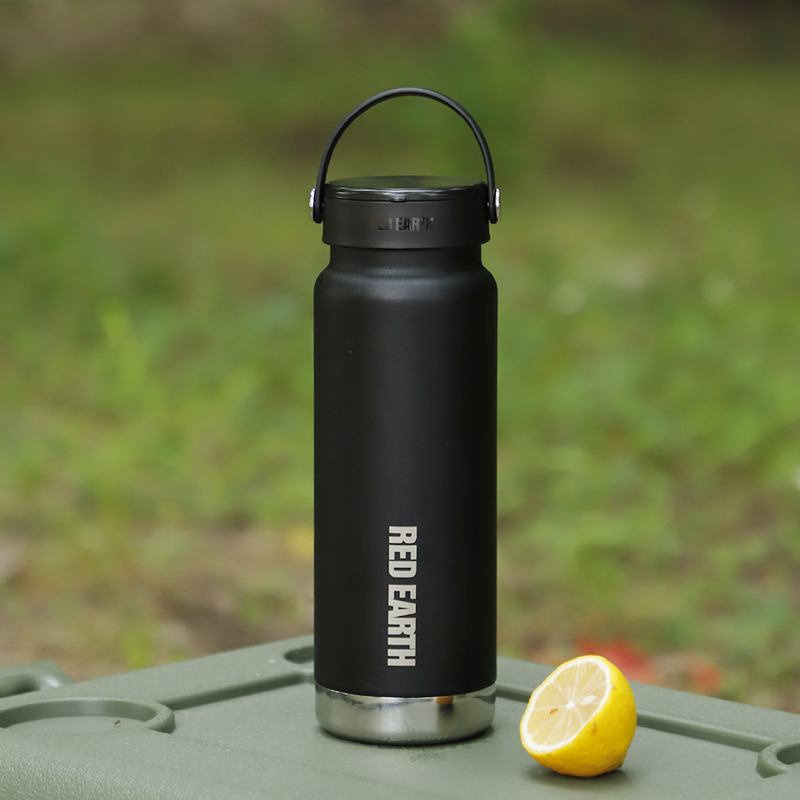
Matte black and gunmetal attract outdoor, automotive, and male-skewing audiences. The non-reflective surface hides scuffs and pairs well with laser-engraved brand logos. Many importers position matte black as a flagship SKU with higher retail pricing, using it to lift basket value. A double-wall vacuum interior keeps drinks hot or cold regardless of shell color, so the choice stays purely aesthetic and commercial. The vacuum flask shell color stays a pure commercial lever, independent of insulation performance.
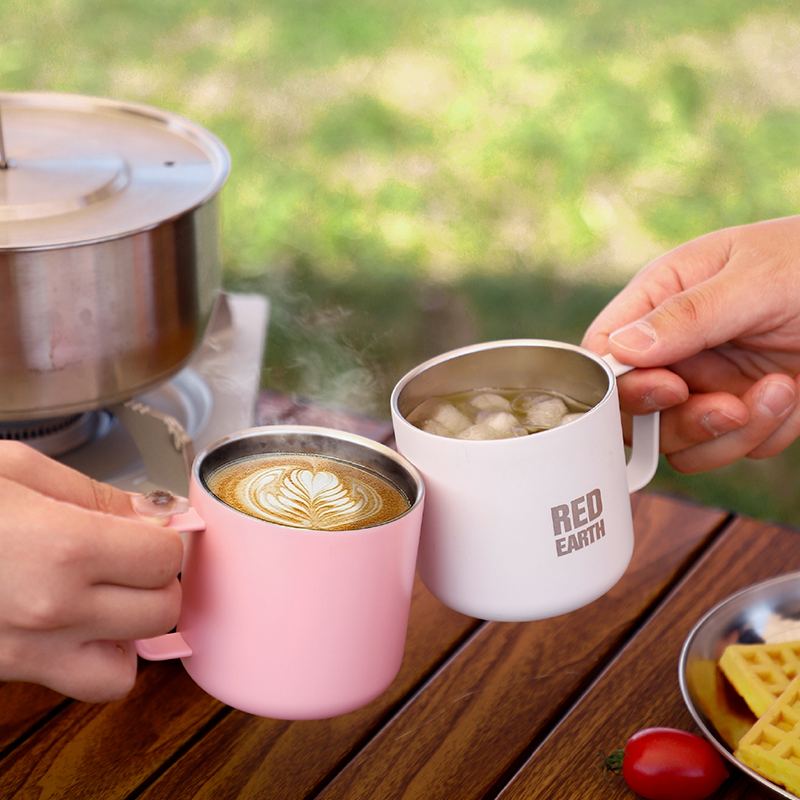
Soft pink, mint, and sky-blue pastels perform in female-focused and gift channels, especially through social commerce. These tones suit 500ml tea infuser cups and straw bottles where portability matters. Pastel powder coating needs a robust primer to prevent chipping at the rim, a common failure point on thin-lipped drinkware. Importers should request accelerated UV and tumble tests on sample units to verify the soft finish endures real use. When pastels pair with a metallic lid, the contrast itself becomes a selling detail that supports shelf differentiation.
Color variety inflates complexity because each vacuum flask colorway needs its own coating run and inventory line. Minimum order quantities often rise when a buyer splits one container across many colors, since suppliers prefer fewer changeovers. A sensible plan concentrates volume on two or three proven sellers — gold, matte black, steel — and reserves a smaller test run for trend colors. OEM/ODM programs can fix a base colorway and offer limited seasonal accents, keeping warehouse SKUs manageable while still refreshing the catalog for returning buyers.
Exterior durability depends on the coating system, not the steel grade alone. Powder coating outperforms liquid paint for abrasion and UV resistance, which matters under intense regional sunlight. Copper plating on the vacuum flask wall improves internal heat reflection, but exterior color lives in the topcoat. Specifying salt-spray and UV-aging targets in the purchase contract gives importers a measurable bar. Transparent documentation of these specs supports food-contact claims under FDA and LFGB where applicable, and aligns with ISO 9001 quality systems expected by serious distributors. Requesting EN standards compliance also smooths entry into European re-export hubs that serve the region.
Pre-shipment inspection should cover color consistency, coating adhesion, and logo placement across a randomized sample. A simple cross-cut tape test reveals weak topcoat bonding that would flake in the field. Importers should also verify that metallic finishes show no bare edges at seams and that matte surfaces are free of orange-peel defects. Building these checks into the QC checklist, together with verified material certificates for 316L stainless steel, reduces returns and protects brand reputation in competitive Gulf retail.
Selecting the right vacuum flask palette means reading climate, culture, and channel together rather than copying a single leading SKU. Heat-reflective metallics, gold tones, and matte black cover the strongest demand, while pastels serve niche gift segments. Importers who plan MOQ around proven colors, specify powder-coated surface treatment, and inspect coating fastness before shipment gain steadier sell-through and fewer write-offs. Treat color as a commercial decision backed by testing, not a guess.
Which vacuum flask colors perform strongly in Gulf retail?
Answer: Gold, matte black, and steel lead Gulf retail demand because they read as premium and hide daily wear. Pastels serve female and gift channels, while green carries cultural weight in specific markets. Importers should validate local preference with a small test batch before committing container volume. A balanced color mix reduces dead stock and protects margin across seasonal campaigns in the region.
Why do metallic finishes cost more than powder coating?
Answer: Metallic plating adds an electroplating or vapor-deposition step over stainless steel, raising labor and rejection risk at the edges. Powder coating needs only one curing pass and tolerates minor surface flaws. Importers pay a premium for shine but gain stronger shelf appeal in gift segments. Sampling should confirm plating thickness so the finish survives washing and transit without early wear.
How should importers plan MOQ across multiple colors?
Answer: Concentrate volume on two or three proven sellers such as gold, matte black, and steel, then reserve a smaller test run for trend tones. Splitting one container across many colors raises per-unit cost through extra changeovers. OEM programs can fix a base colorway and add seasonal accents. This keeps warehouse SKUs manageable while still refreshing the catalog for repeat buyers.
Can pastel drinkware survive outdoor Middle East use?
Answer: Pastel powder coating survives outdoor use when backed by a robust primer and verified through UV and tumble testing. The rim is the weakest point, so sample checks should target chipping there. Soft tones suit gift and female channels more than harsh job-site conditions. Specifying salt-spray resistance in the contract protects the finish and keeps returns low across regional distribution.
Where should color inspection focus before shipment?
Answer: Inspection should cover color consistency, coating adhesion, and logo placement on a randomized sample. A cross-cut tape test exposes weak topcoat bonding that would flake later. Metallic edges at seams and orange-peel defects on matte surfaces need close review. Verified 316L material certificates should accompany the shipment. These steps reduce returns and protect brand reputation in competitive Gulf retail.
 Hot News